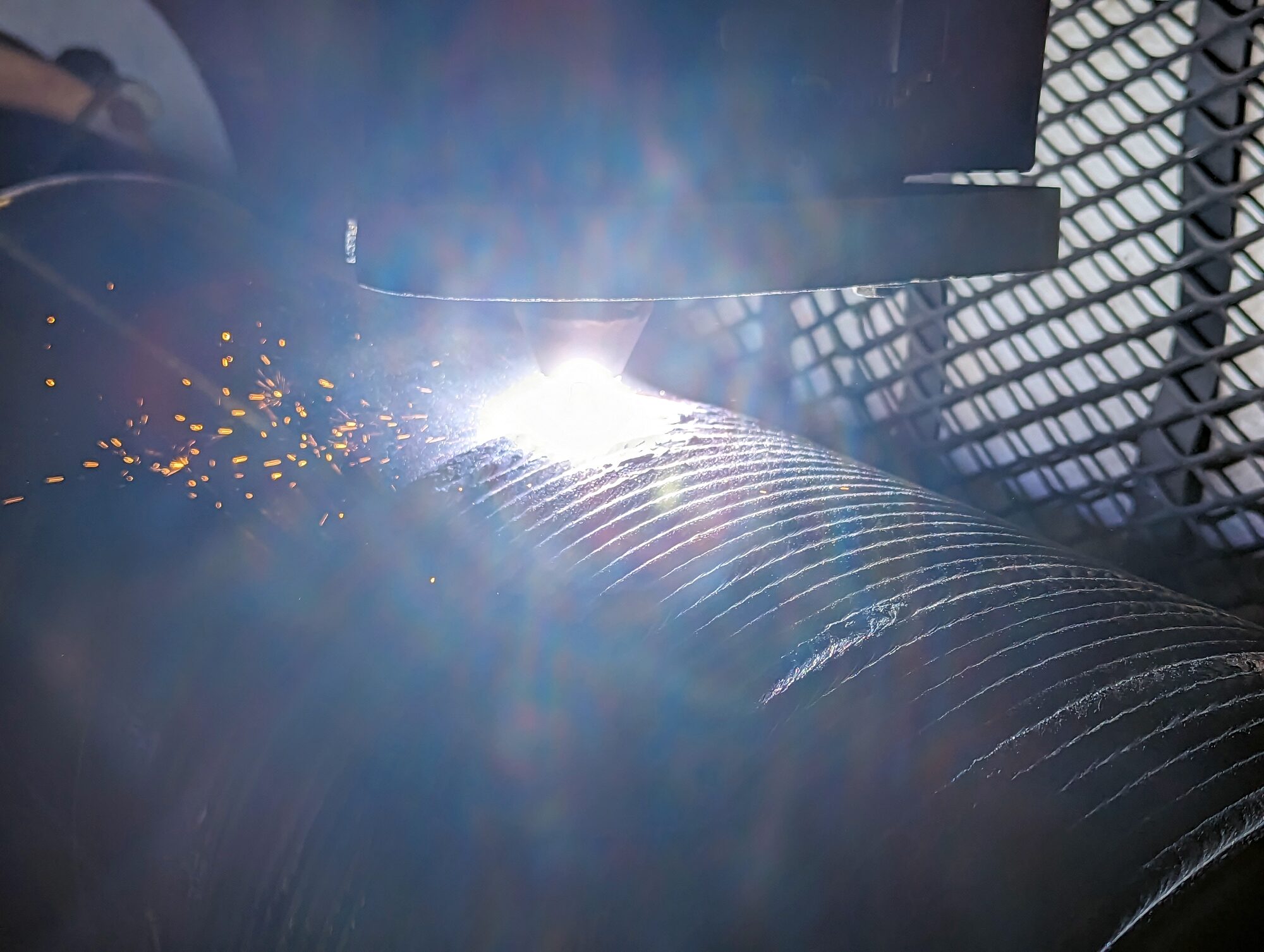
Hardfacing Weld Overlays That Extend Service Life
PTA, TIG, MIG, and Stellite® hardfacing engineered for up to 5 years of reliable service in power generation, oil & gas, and chemical processing.
Founded on Hardfacing
75+ Years of Metallurgical Expertise
Founded in 1950 as Hard Face Welding & Machine Co., Inc., HFW Industries has spent more than seven decades engineering weld overlay solutions for equipment exposed to abrasion, erosion, heat, corrosion, and impact. Our hardfacing capabilities include PTA, TIG, MIG, arc, oxy-fuel torch, and sprayweld processes, applied with Stellite®, cobalt-, nickel-, and iron-based alloys as well as carbide-reinforced systems.
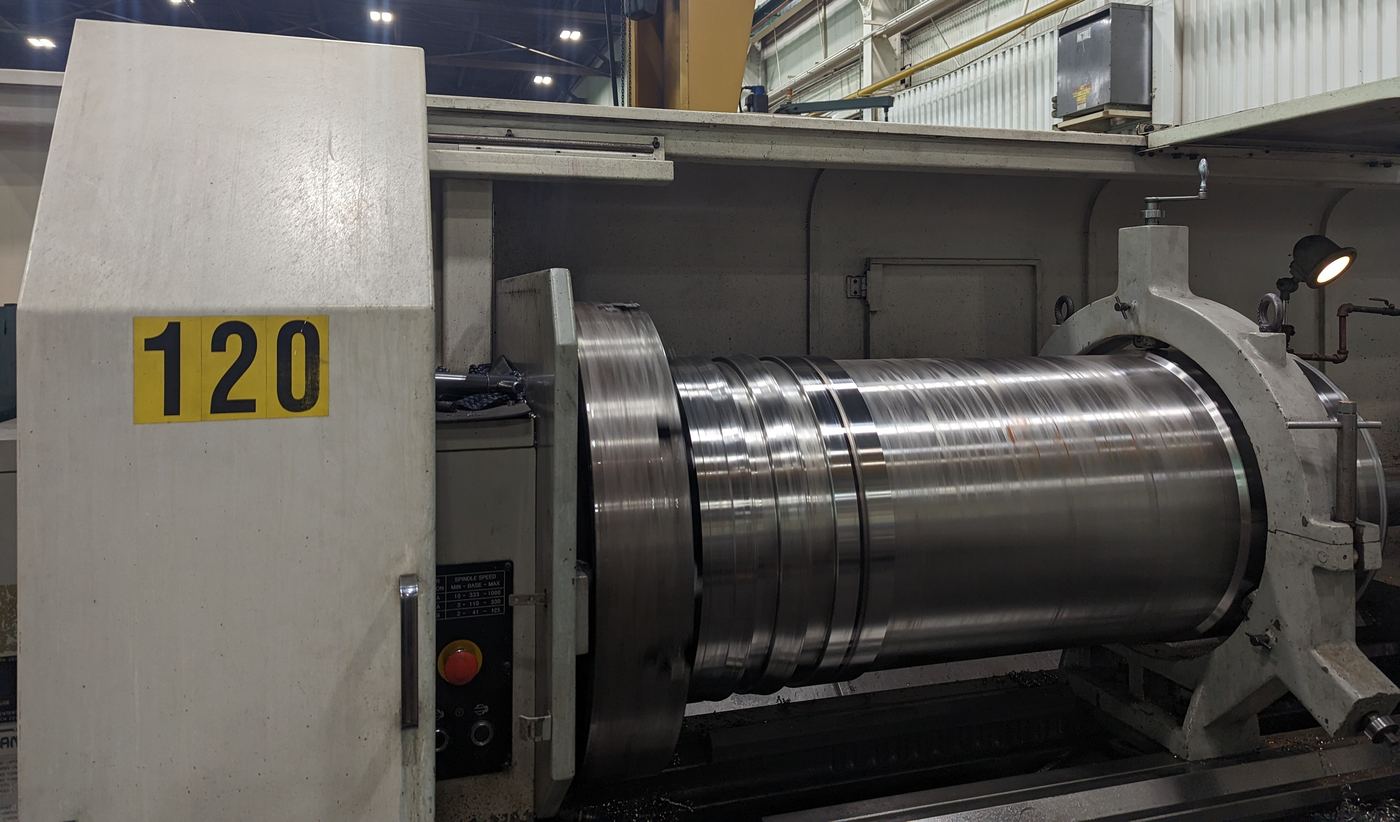
Reliability and maintenance teams across power generation, oil & gas, chemical & plastics, mining, pulp & paper, and high-tech manufacturing rely on HFW for hardfacing on valve discs and seats, pump internals, turbine components, rotors and shafts, centrifuge bowls, agitator shafts, mixing screws, processing rolls, and crusher surfaces. Our archived job record library, built over 75+ years, lets us repeat proven overlays years, even decades, after the original job. HFW ships finished components to customers throughout the United States and internationally from our facility in Buffalo, New York.
- Selective hardfacing of new OEM components in wear zones
- Complete restoration of worn parts to OEM dimensions
- Weld build-up prior to machining
- Service life extension in severe-duty applications
- Refurbishment of valve, pump, turbine, and process components
Inside Our Plant
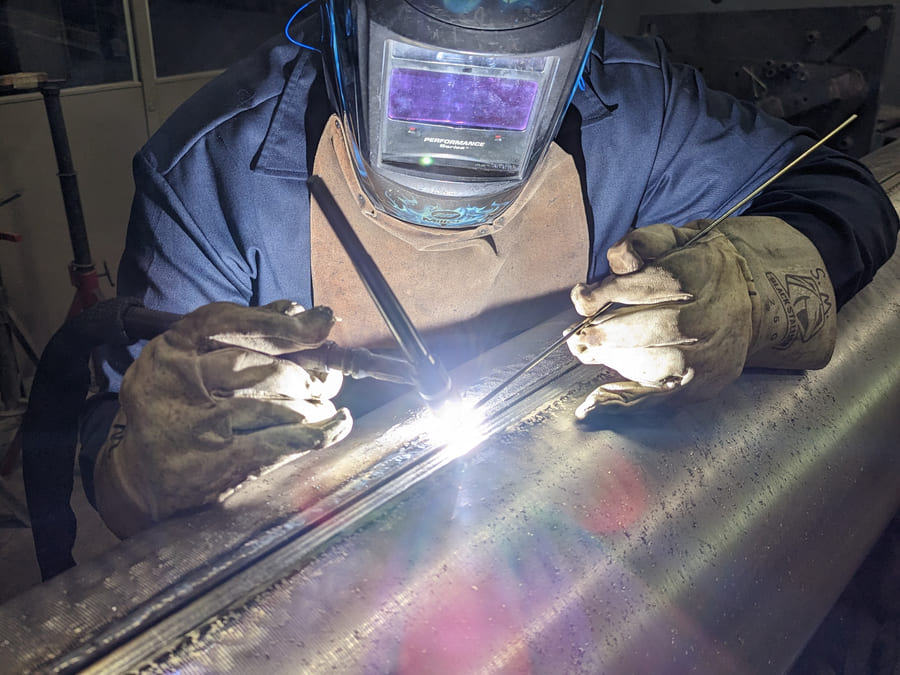
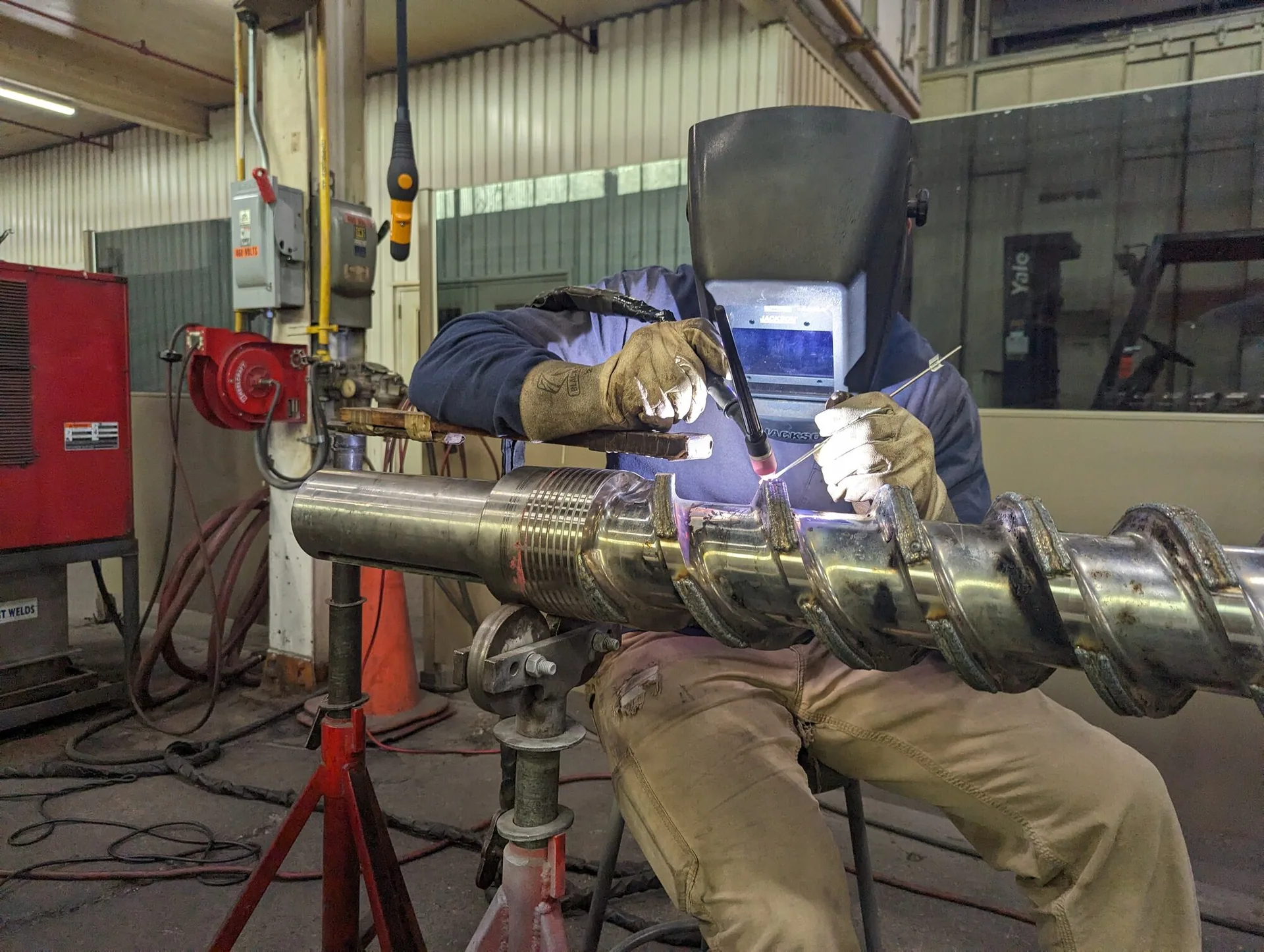
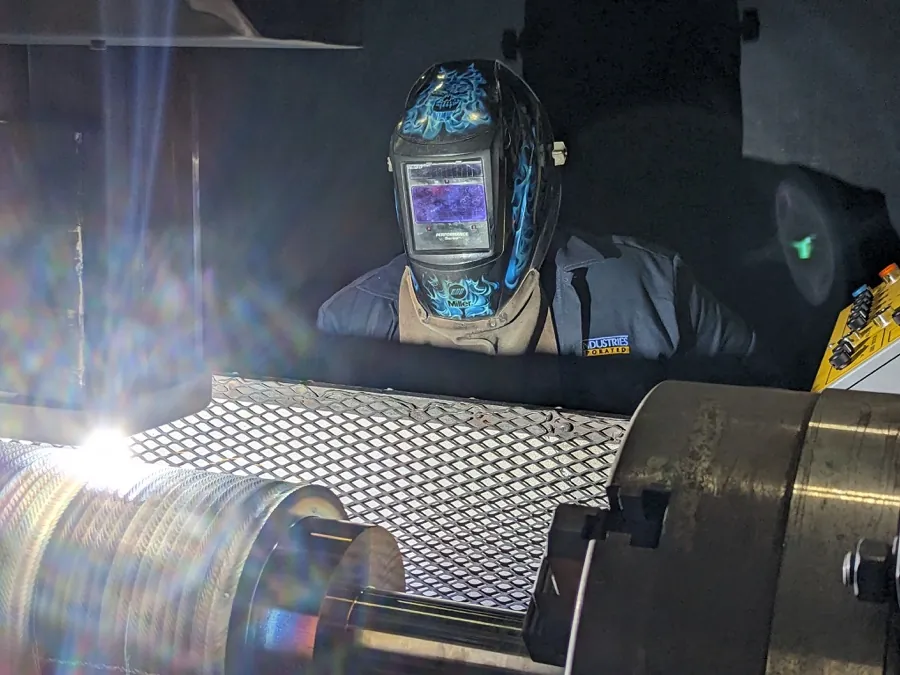
Hardfacing Gallery
The Process
What Is Hardfacing?
Hardfacing is a high-temperature welding process that deposits a wear-resistant alloy directly onto a base material, producing a homogeneous, fused layer that becomes part of the component. Because the overlay is welded into the substrate with controlled dilution, hardfacing withstands high heat, high load, and severe abrasion with a permanence that mechanically bonded coatings cannot match. The right process and alloy are selected around wear mode, temperature, chemistry, load, and finish requirements.
Dimensional Restoration
Rebuild worn journal diameters, shaft areas, and wear surfaces back to OEM dimensions for a fraction of the cost of a replacement part.
Selective Wear Protection
Apply engineered overlays to new OEM components in wear zones to extend service life from day one.
Severe Abrasion & Erosion
Carbide and cobalt-based overlays for crusher rolls, scrapers, chutes, mixer screws, and other components in mining, chemical, and heavy industrial service exposed to heavy particulate or abrasive wear.
Capabilities
Hardfacing Processes
PTA Welding
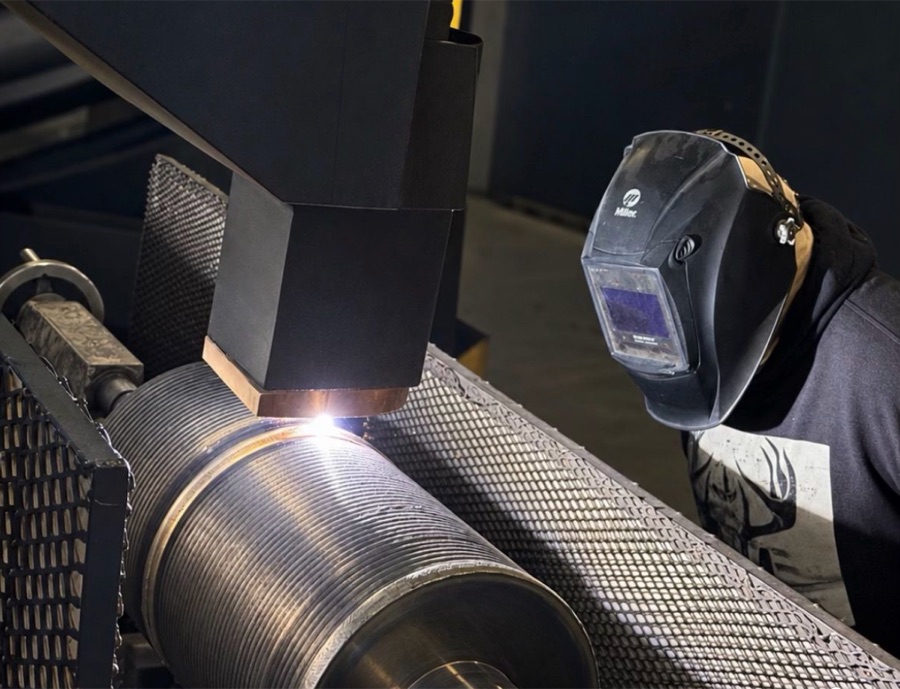
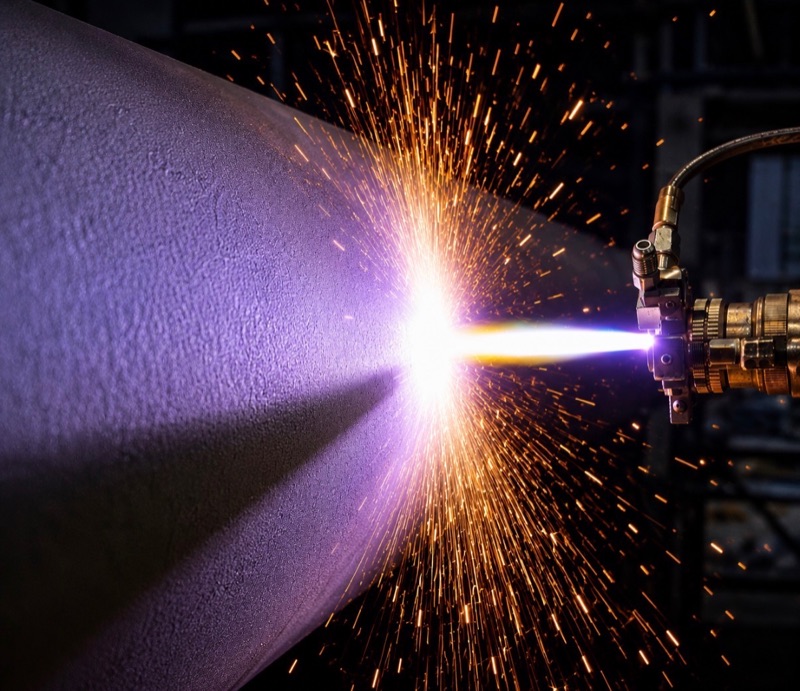
Plasma transferred arc is the premium process for carbide and cobalt-based overlays. Precise control over dilution, heat input, and deposit thickness.
TIG (GTAW) Hardfacing
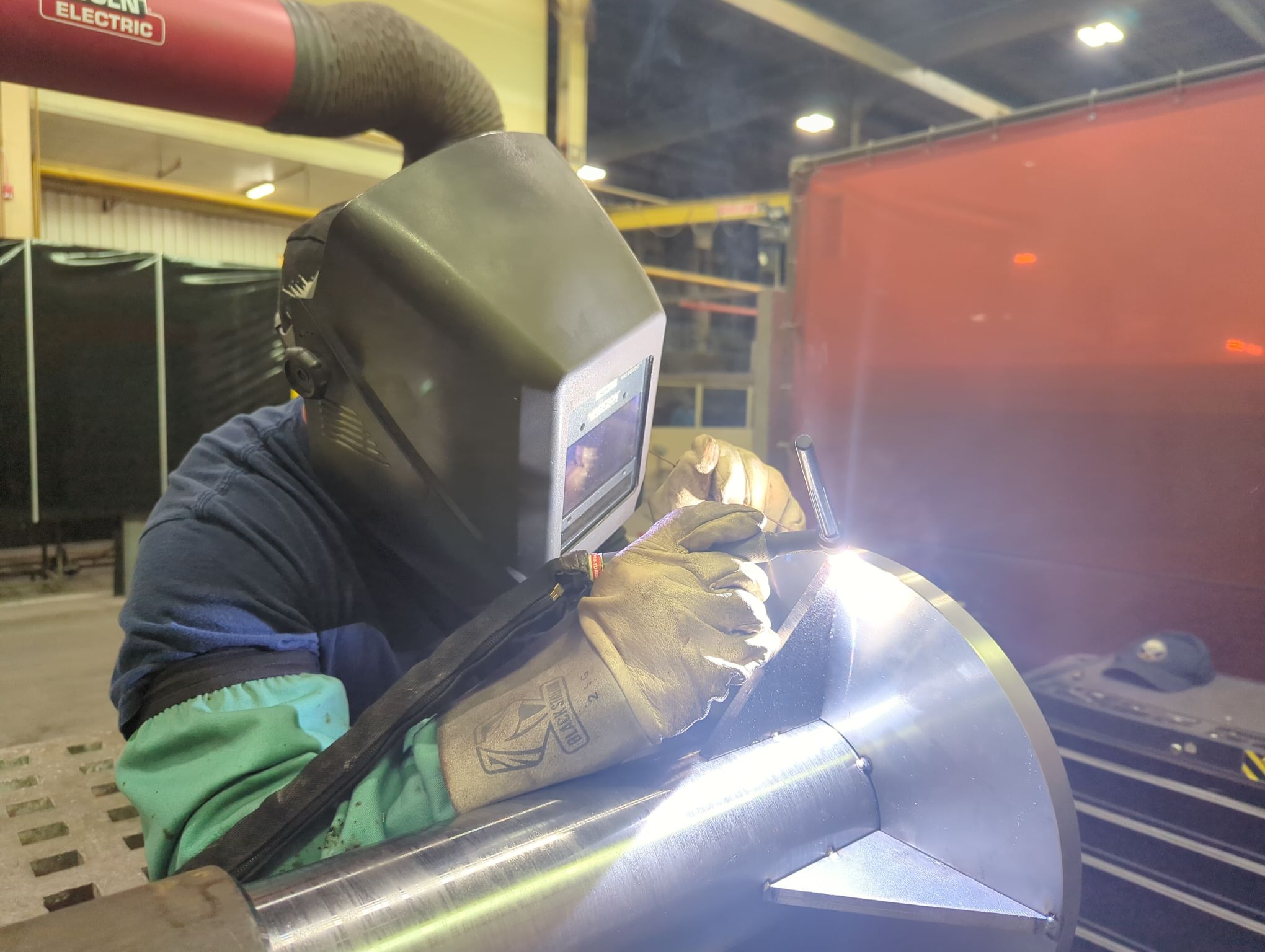
Manual precision overlay for critical components and small, complex geometries. Clean deposits with excellent fusion.
MIG (GMAW) Overlays
Higher deposition rates for larger surface areas and build-up applications. Cost-effective for thicker layers.
Arc Welding
Versatile shielded metal arc welding for a wide range of base materials and alloy combinations.
Oxy-Fuel Torch Welding
Traditional flame process well-suited to specific alloy systems and intricate geometries where controlled heat is essential.
Sprayweld (Spray & Fuse)
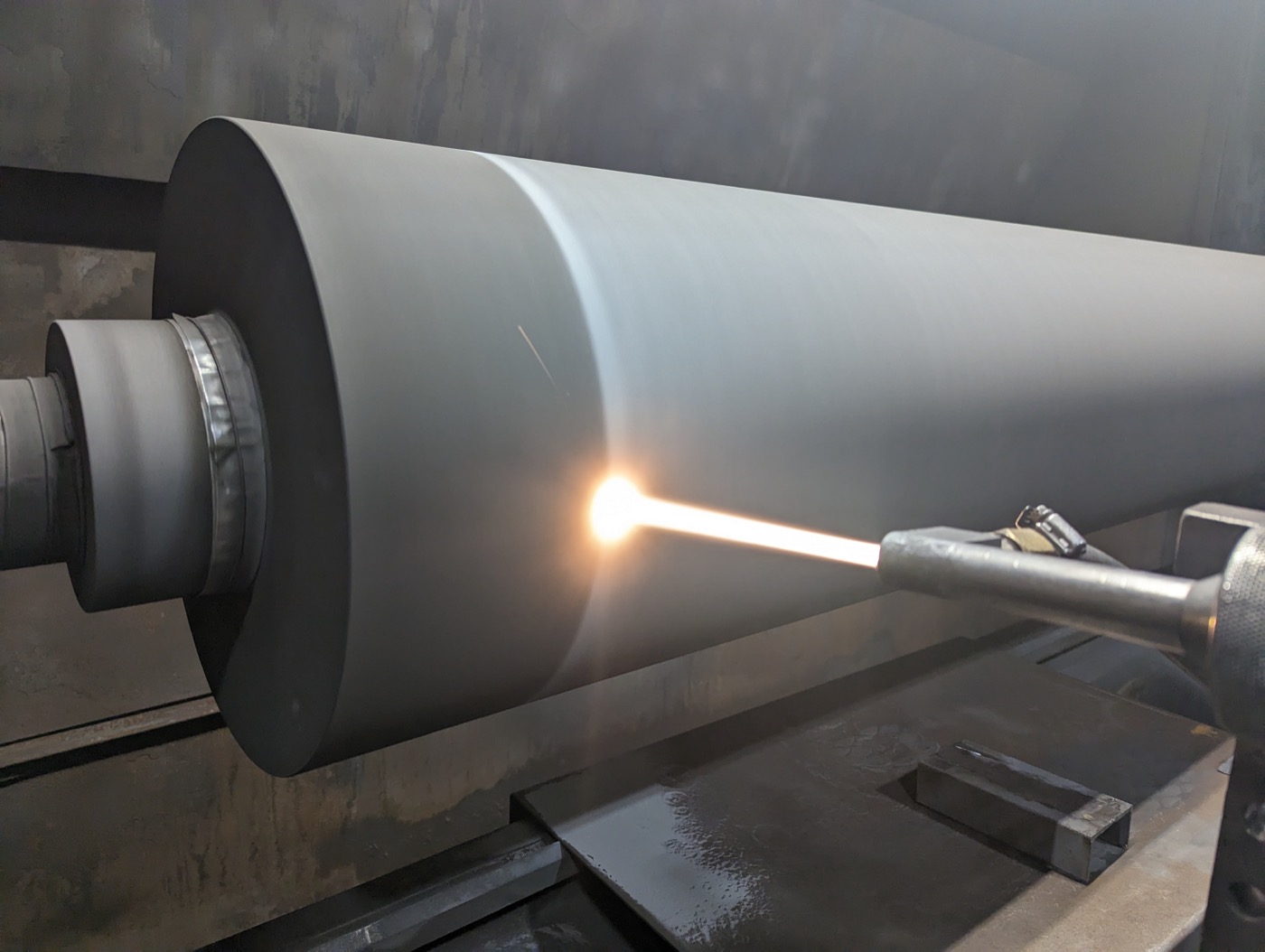
Self-fluxing alloy powder thermally sprayed then fused to the base metal via torch, producing a metallurgically bonded overlay with hardness and uniformity.
Hardfacing Alloys & Materials
Stellite® & Cobalt-based Alloys
The premium choice for combined wear and corrosion at elevated temperatures. Standard on turbine components, valve seats, and chemical processing parts.
Nickel-based Alloys
Selected for aggressive chemical service and combined corrosion-plus-wear applications. Common on centrifuge bowls, agitator shafts, and process rolls.
Iron-based Buildup Alloys
Cost-effective dimensional restoration and structural buildup on shafts, journals, and housings before re-machining to final tolerance.
Specialty & Carbide-Reinforced Systems
Tungsten carbide and chromium carbide composites for extreme abrasion in mining, aggregate, and heavy industry. Supplied in rod, wire, or powder form.
Customer Success Story
5 Years in Service, Zero Delamination
A large southeastern utility came to HFW after experiencing repeated Stellite® #6 delamination on valve internals from a previous supplier. The application: high-temperature valve discs and seats in 2.25% Cr–1.00% Mo steel (ASTM SA 387), with A286 superalloy valve stems. The objective was simple: eliminate delamination and restore confidence in service-life planning.
HFW manufactured new discs, seats, and stems and engineered the entire weld overlay workflow around reliability: proper preheat for SA 387, strict interpass temperature control, butter layers to manage dilution, controlled post-weld cooling and thermal treatment, and full inspection by an AWS-certified inspector using liquid penetrant and ultrasonic testing.
After five years, the components were still in service with the hardfacing intact, a clear improvement in their useful service life.
Have a Worn Component or a Delamination Problem?
Send us the part details, drawings, or failure history and we'll come back with a recommended process, alloy selection, and timeline.
Choosing the Right Process
Hardfacing vs. Thermal Spray
Both processes extend equipment life, but they solve different problems. Here's how to decide which one fits your application.
Hardfacing
- Bond type: Metallurgical, welded and fused into the base material
- Temperature: High-heat welding process with controlled dilution
- Best for: High load, high heat, severe abrasion, structural rebuilds
- Typical applications: Valve discs, seats, pump internals, turbine components, crusher surfaces
- Tradeoff: Heat input may affect base metal; requires precise procedure control
Thermal Spray
- Bond type: Mechanical, particles impact and adhere to the substrate
- Temperature: Typically <300°F; no melting of base metal
- Best for: Tight tolerances, fine finishes, parts that cannot be distorted
- Typical applications: Turbine shafts, compressor rotors, pump sleeves, hydraulic cylinders
- Tradeoff: Lower heat tolerance than hardfacing; not typically load-bearing
Industries We Serve
Hardfacing Across Heavy Industry
From utility valve internals to centrifuge bowls to crusher surfaces, HFW's weld overlays protect critical equipment in the most demanding service environments.
The HFW Advantage
Why Reliability Teams Choose HFW for Hardfacing
One-Source Shop
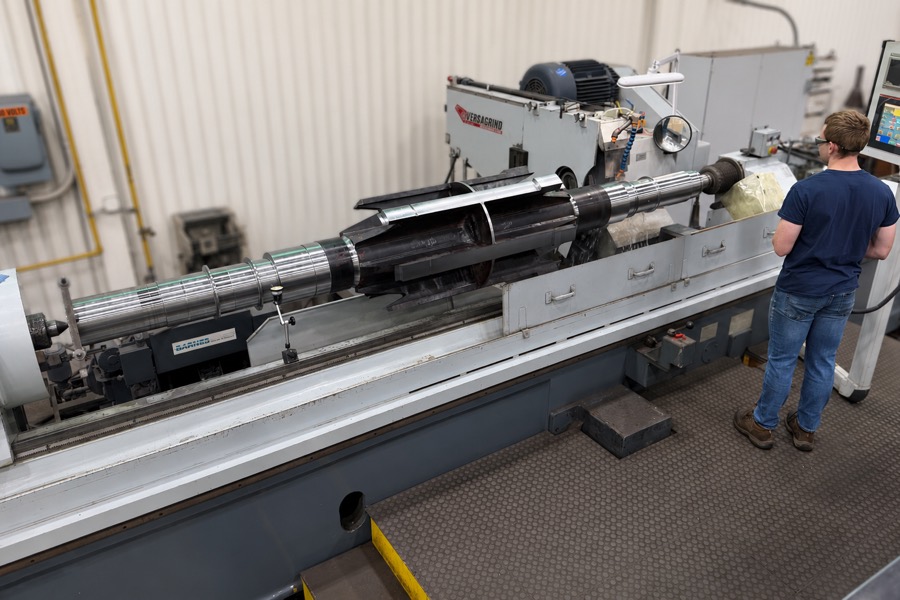
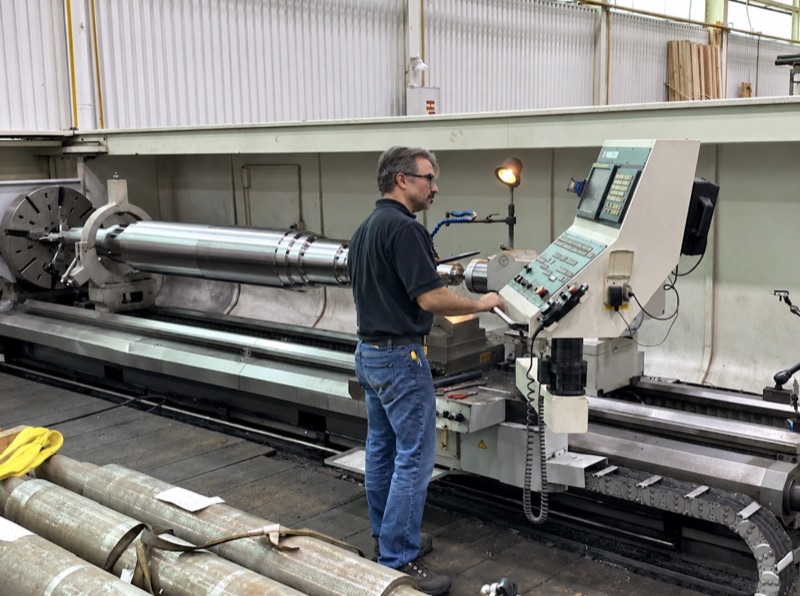
Welding, surface prep, machining, grinding, thermal spray, and inspection in one facility. No handoffs, no multi-vendor coordination, one point of accountability.
Metallurgical Engineering
Our engineers match the process, alloy, and weld procedure to your base metal, wear mode, and service environment.
Delamination-Resistant Procedures
Documented preheat, interpass, butter-layer, and post-weld heat-treatment controls. Proven on high-temperature utility service with up to 5 years of delamination-free performance.
AWS & ISO 9001:2015 Quality
AWS Certified Welding Inspectors, documented travelers, liquid penetrant and ultrasonic testing, and a 75-plus-year archive of repeatable weld procedures.
Related Reading
Hardfacing Articles & Case Studies
Explore technical articles and case studies from our knowledge base.
What Is Hardfacing? Weld Overlay Explained
A clear definition of hardfacing, weld overlay, hardface welding, materials, and how the process differs from thermal spray.
Case StudyPreventing Hardfacing Delamination
Practical reliability lessons from a utility case study on combatting Stellite® delamination on valve internals.
HardfacingHard Face Overlays for Industrial Equipment Rebuild
Application-focused guidance for weld overlay rebuild, hard face overlays, process selection, and one-source execution.
Case StudyHow Chemical Mixers & Agitators Are Repaired After Corrosion & High Wear
HFW rebuilds chemical mixers and agitators with thermal spray, hardfacing, and precision machining, engineered for the specific chemistry.
Frequently Asked Questions
Hardfacing & Weld Overlay FAQ
Answers reliability and maintenance engineers need when evaluating hardfacing for valves, pumps, turbines, and process equipment.
What is hardfacing and how does it extend equipment life?
Hardfacing (also called weld overlay) is a high-temperature welding process that applies a wear-resistant alloy directly onto a base material. Unlike thermal spray, hardfacing creates a metallurgical bond between the overlay and the substrate, resulting in a homogeneous, fused layer that becomes part of the component. Hardfacing extends equipment life by restoring worn parts to OEM dimensions, protecting new components in wear zones, and resisting abrasion, erosion, corrosion, heat, and impact in severe-duty environments.
What is hardfacing delamination, and what causes it?
Delamination is the separation or loss of bond between a weld overlay and the base material. It might be a process control problem rather than a material problem. Possible causes include improper preheat and interpass temperatures, unmanaged dilution, missing transition or butter layers, and inconsistent post-weld cooling or heat treatment. When these parameters are controlled through documented weld procedures, hardfacing delivers multi-year service life without delamination.
How long can hardfacing last in service?
When engineered and applied correctly, hardfacing can deliver multi-year service life in demanding environments. HFW's hardfacing solutions have operated for five or more years on high-temperature valve components in power generation service without delamination. Actual service life depends on the alloy selection, the base material, the operating environment, and the discipline of the weld procedure.
What is the difference between hardfacing and thermal spray?
Hardfacing creates a metallurgical bond by welding the overlay material into the base at high temperature, with controlled dilution into the substrate. Thermal spray creates a mechanical bond at much lower temperatures (typically below 300°F) with no melting of the base metal. Hardfacing is preferred for high-heat, high-load, structural, and severe-abrasion applications. Thermal spray is preferred for tight tolerances, fine finishes, and parts that cannot be distorted. HFW offers both so engineers can match the process to the part.
What materials are used for hardfacing?
HFW applies nickel-based alloys, cobalt-based alloys including Stellite®, iron-based buildup alloys, carbide-reinforced systems, and specialty alloys for high heat, corrosion, impact, or chemical attack. Materials are supplied in rod, wire, or powder form depending on the welding process. The right material is selected based on the wear mode, operating temperature, chemistry, and finish requirements of the specific application.
How thick can a hardfacing overlay be applied?
Overlay thickness depends on the process, the alloy, and the base material. PTA, TIG, and MIG can deposit thicker overlays than thermal spray, and multiple passes with proper interpass temperature control allow substantial build-up. HFW's weld procedures specify pass sequencing, filler metal size, and finishing methods to achieve the final thickness and tolerance the application requires.
Attribution Statements
- Stellite® is a registered trademark of KENNAMETAL INC.
Ready to Discuss Your Project?
Whether you need new equipment, component rebuilds, or advanced surface coatings, HFW Industries delivers long-lasting, high-performance solutions.