Thermal Spray & HVOF: Service Life in Years, Not Months
HVOF, plasma spray, electric arc, Rokide®, and spray weld coatings. In one chemical processing roll application, standard thermal spray and HFW 512 helped increase service life from months to years.
Pioneer in Thermal Spray
Coatings That Extend Equipment Life and Cut Downtime
HFW Industries is a pioneer in thermal spray services, specializing in high-performance coatings like HVOF tungsten carbide, Stellite®, and chromium carbide to combat wear and corrosion. As the first commercial licensee of the Norton Rokide process in 1956, HFW has long helped customers extend their equipment's useful life, reduce downtime, and restore critical components to OEM dimensions.
Reliability and maintenance teams across oil & gas, power generation, chemical & plastics, mining, pulp & paper, high tech, and marine industries rely on HFW for thermal spray coatings on turbine shafts, compressor rotors, pump sleeves, valve components, mixing screws, processing rolls, downhole tools, reactor internals, and other critical equipment exposed to wear, corrosion, and high-temperature service. HFW ships coated and finished components to customers across the United States and internationally from our Buffalo, New York facility.
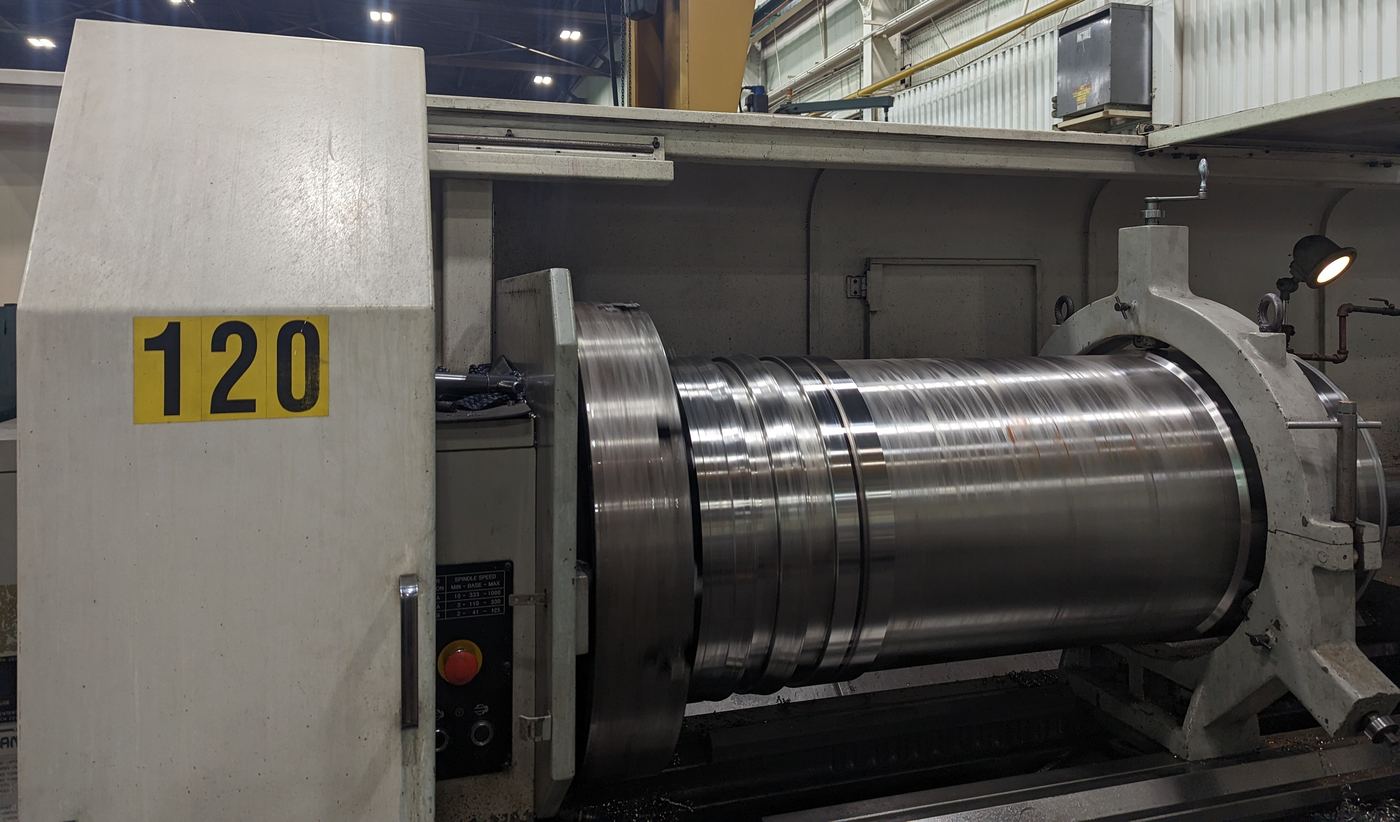
Inside Our Plant
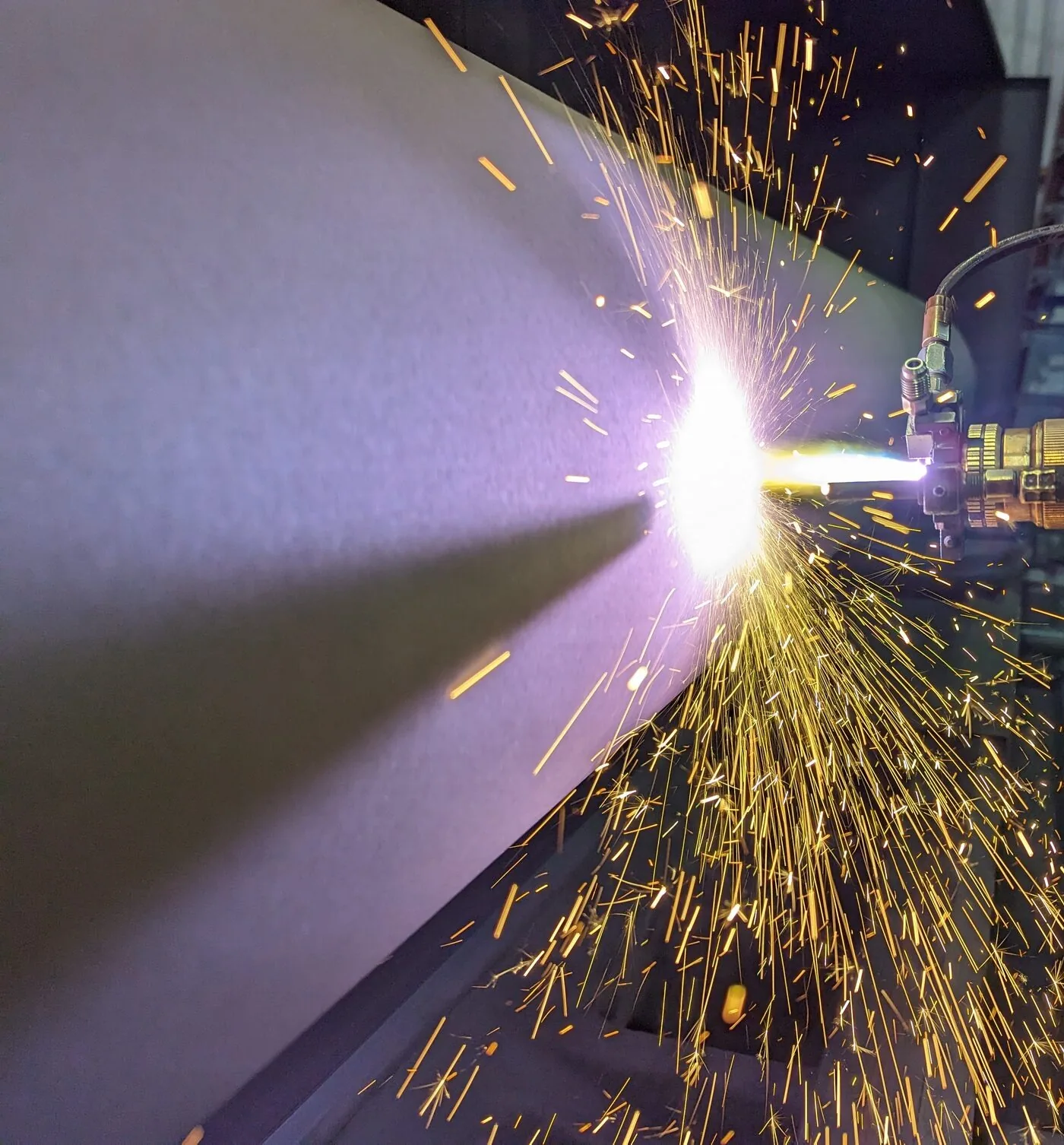
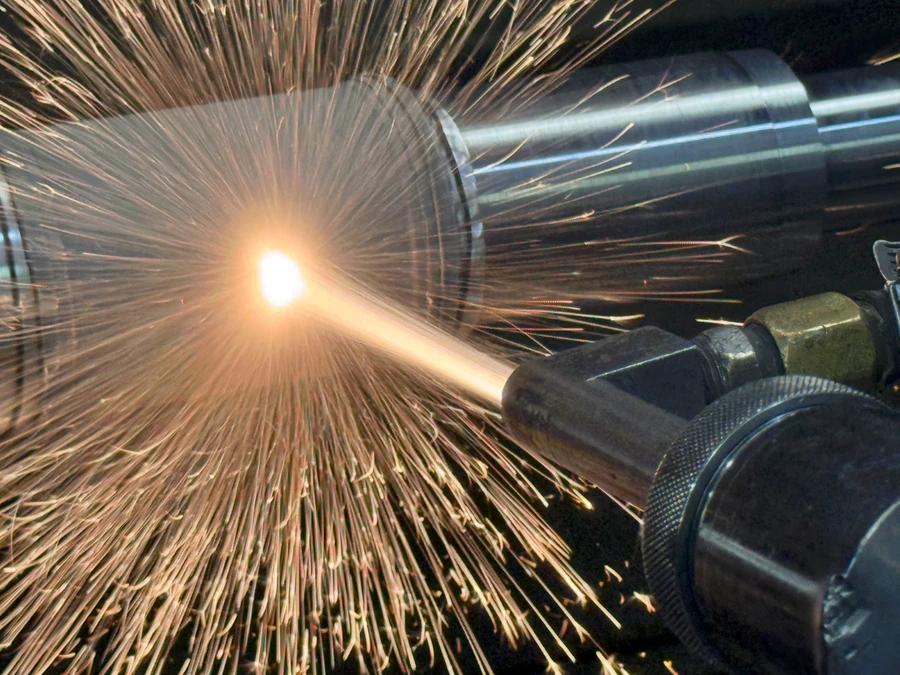
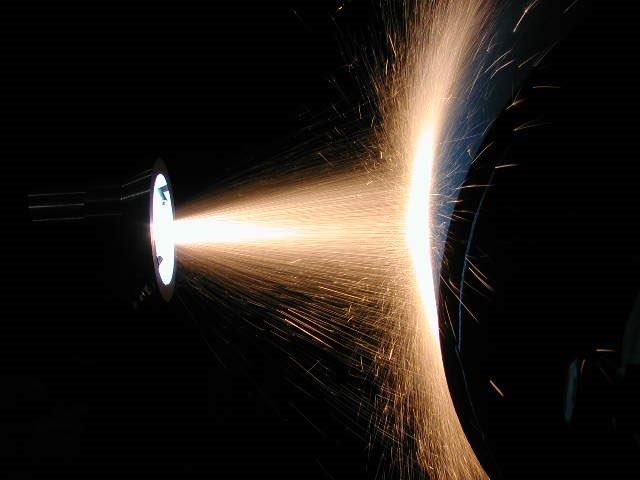
Thermal Spray Gallery
The Process
What Is Thermal Spraying?
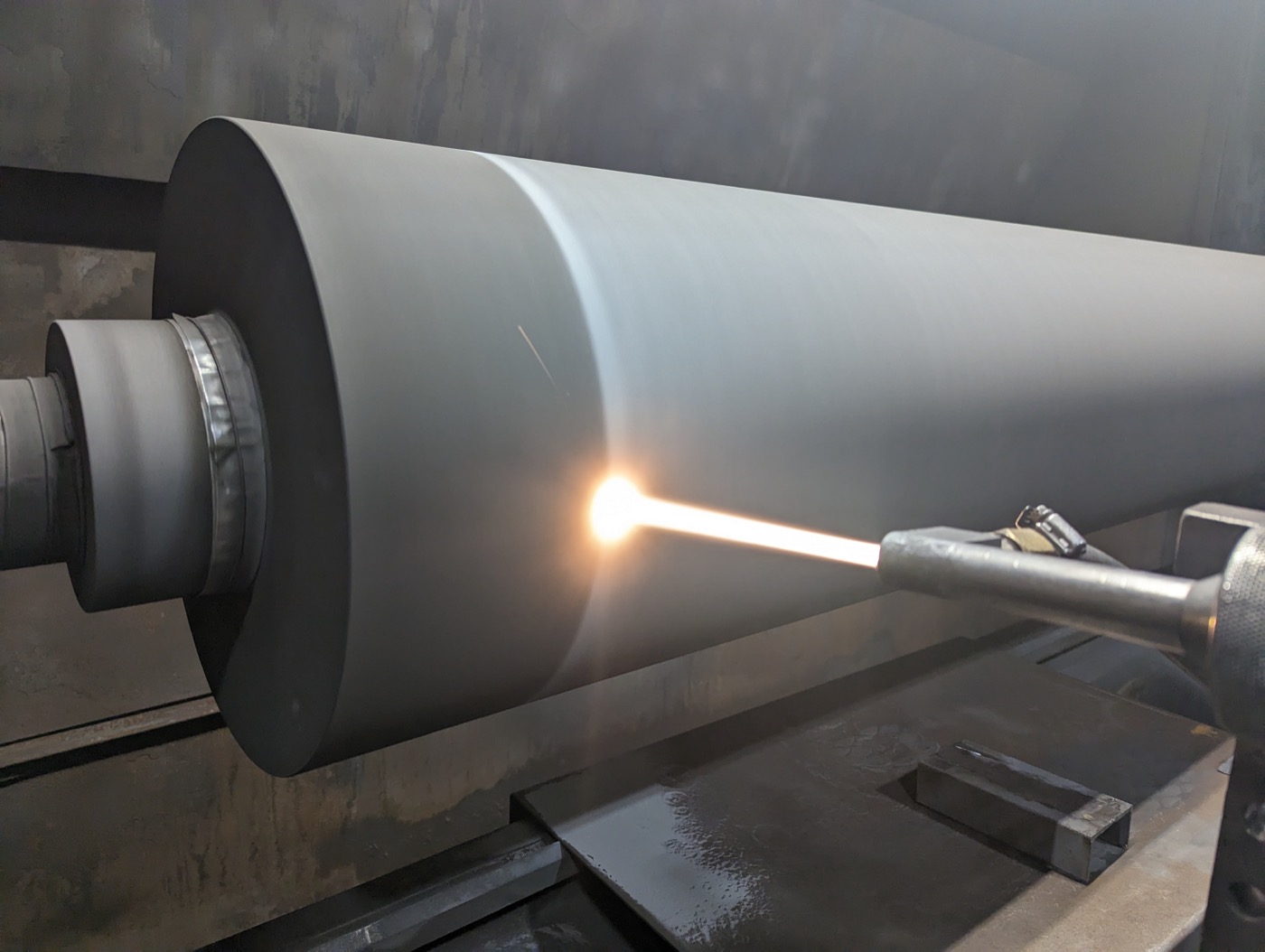
Coating material — in powder, rod, or wire form — is heated and propelled in a molten state onto the part, forming a mechanically bonded layer that restores dimension or protects the substrate. Because most thermal spray processes run below 300°F, tight-tolerance parts aren't distorted. The right combination of process and material is selected to match each part's wear mode, temperature, chemistry, and finish requirements.
Where Thermal Spray Is Used
Abrasion & Erosion Resistance
Oil & gas, power generation, mining
Corrosion Protection
Chemical, oil & gas, power generation
Size Restoration
Turbomachinery, oil & gas, power generation
Heat & Thermal Insulation
Power generation, gas turbine, chemical processing
Electrical Insulation & RF Shielding
High tech, power generation
Anti-Slip / Anti-Stick Surfaces
Chemical, pulp & paper, material handling
Capabilities
Thermal Spray Processes
Flame Spray
Wire or powder feedstock melted by oxygen-fuel gas flame. Ideal for restoration, dimensional build-up, and general wear resistance.
Electric Arc Wire Spray
Two wires arc electrically at the gun's tip. Economical and fast, often used on large surfaces.
Plasma Spray
Ionized gas (plasma) melts coating powder. Excellent for ceramics, cermets, and high-melting-point metals.
HVOF (High Velocity Oxy-Fuel)
Extremely dense, high-velocity coatings. Best for wear-critical and corrosion-resistant applications using tungsten carbide, Stellite®, chromium carbide, and more.
Rokide® Flame Spray
Ceramic rods melted with oxy-fuel flame. Provides thermal insulation, electrical resistance, and corrosion protection. HFW was the first commercial licensee in 1956.
Spray Welding
Self-fluxing alloy powder sprayed then fused to base metal via torch. Results in metallurgically bonded, hard, and uniform overlay.
Proprietary Innovation
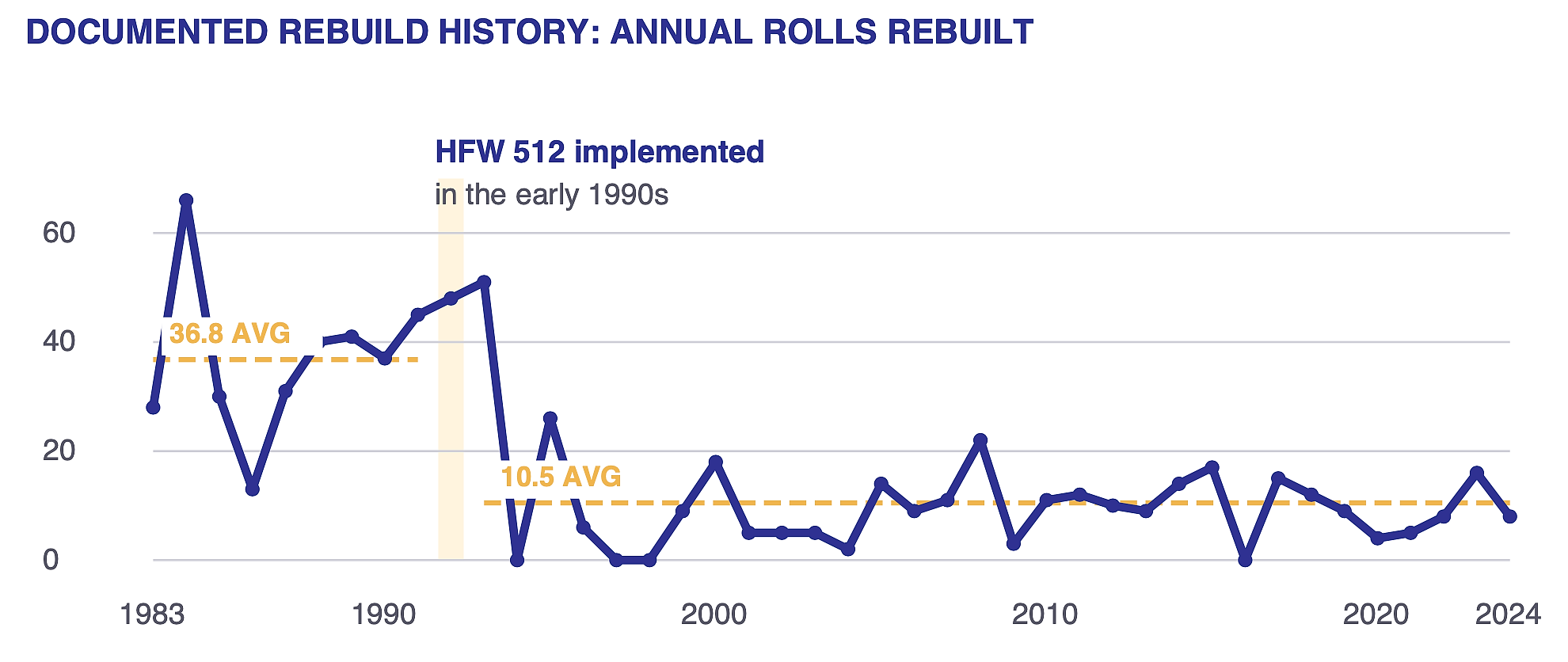
HFW 512 and Thermal Spray: From 2 Months to 5-6 Years of Roll Life
In the 1980s, a chemical processing customer came to HFW with rolls that were lasting only two months in service. Standard thermal spray coatings extended that to four to five months. The real breakthrough came with HFW 512, our proprietary nickel-based alloy thermal spray powder designed around the customer's specific operating needs and applied via HVOF.
Roll life went from two months initially to four to five months with standard thermal spray, and then to five or six years with HFW 512. That 30× increase in service life is backed by over 40 years of documented performance data. Depending on the specific application, HFW 512 can provide exceptional wear and corrosion resistance and offer a step-change reduction in total cost of ownership for critical equipment.
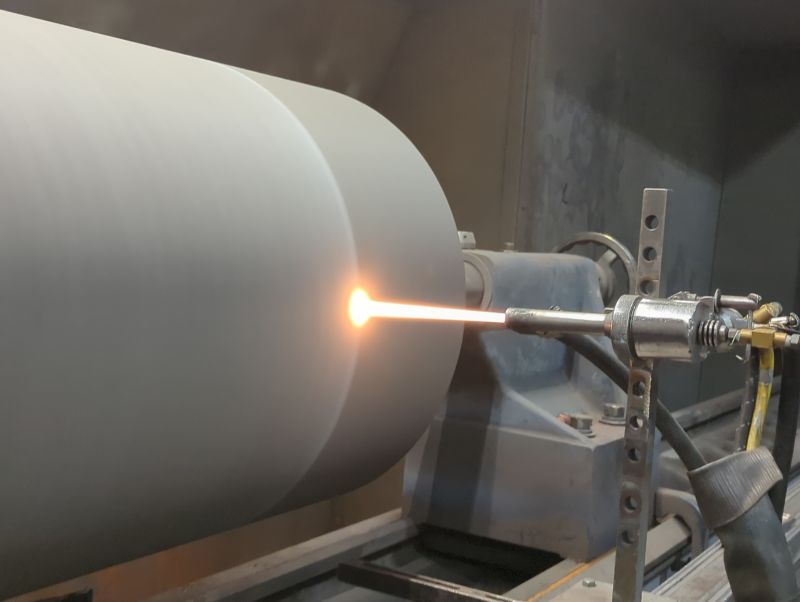
HVOF Overview
High Velocity Oxy-Fuel: Dense, Hard, Engineered
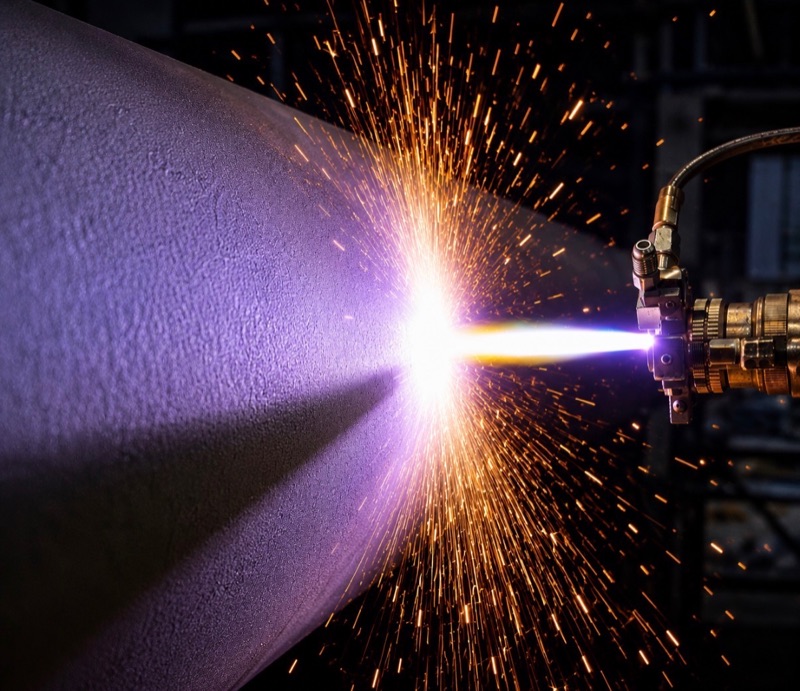
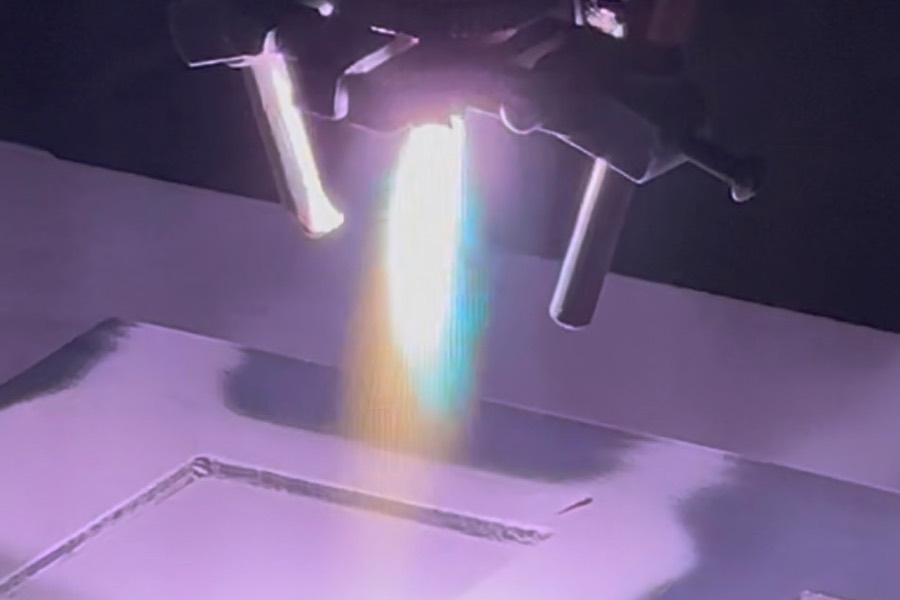
HVOF (High Velocity Oxy-Fuel) is one of the most advanced thermal spray processes in use today. A high-pressure fuel flame propels powdered coating material at supersonic speeds onto the base part. Because the particles impact the surface at very high velocity and relatively low heat, the resulting coating is exceptionally dense, hard, and low in porosity. Bond strength, wear resistance, and corrosion resistance all outperform older thermal spray processes.
HVOF is applied below 300°F, so the base part is not distorted or metallurgically affected. That makes HVOF the preferred process for tight-tolerance components where distortion is unacceptable, including turbine shafts, pump sleeves, compressor rotors, valve stems, and hydraulic cylinders. After coating, parts are typically precision-ground to final dimensions and surface finish.
HVOF is also the leading alternative to hard chrome plating. Tightening regulations on hexavalent chromium are driving interest in chrome replacement for OEMs and reliability teams. A U.S. Department of Defense program reports that WC-Co coatings generally last at least two to three times longer than hard chrome.
Why Choose HVOF?
- Very dense coatings with minimal porosity
- Chemical resistance for corrosive environments
- Lower risk of hexavalent chromium exposure
- Precise control over material characteristics
- Ideal for grinding and polishing to fine finishes
HVOF vs. Hardfacing
HVOF bonds mechanically at under 300°F with no base metal dilution or distortion, making it the right choice for tight tolerances and fine finishes. Hardfacing fuses metallurgically at high heat, allowing thicker deposits for heavy wear, impact loading, and structural buildup.
Common HVOF Coating Materials
Tungsten Carbide / Cobalt
The workhorse of HVOF. Industry-standard coating for abrasion, erosion, and sliding wear on pump sleeves, plungers, shafts, and valve components. Commonly specified as a direct replacement for hard chrome plating.
Stellite® #6, Tribaloy® & Cobalt Alloys
Selected where wear and corrosion occur together at elevated temperatures. Stellite® and Tribaloy® are cobalt-based alloys commonly specified on turbine components, valve seats, and chemical processing parts exposed to combined thermal, mechanical, and chemical stress.
Chromium Carbide
Selected for higher-temperature service where oxidation resistance and hardness are both required, including gas turbine parts and power generation components.
Hastelloy® C, Inconel® 625 & Nickel Alloys
Chosen for aggressive chemical and corrosive service environments. Common on oil & gas downhole tools, chemical processing equipment, and components exposed to corrosive process media.
Have a Coating Spec, Drawing, or Worn Part?
Send us the details and we'll come back with a recommended process, material, and lead time. If you'd rather talk through the application first, our engineers are happy to help.
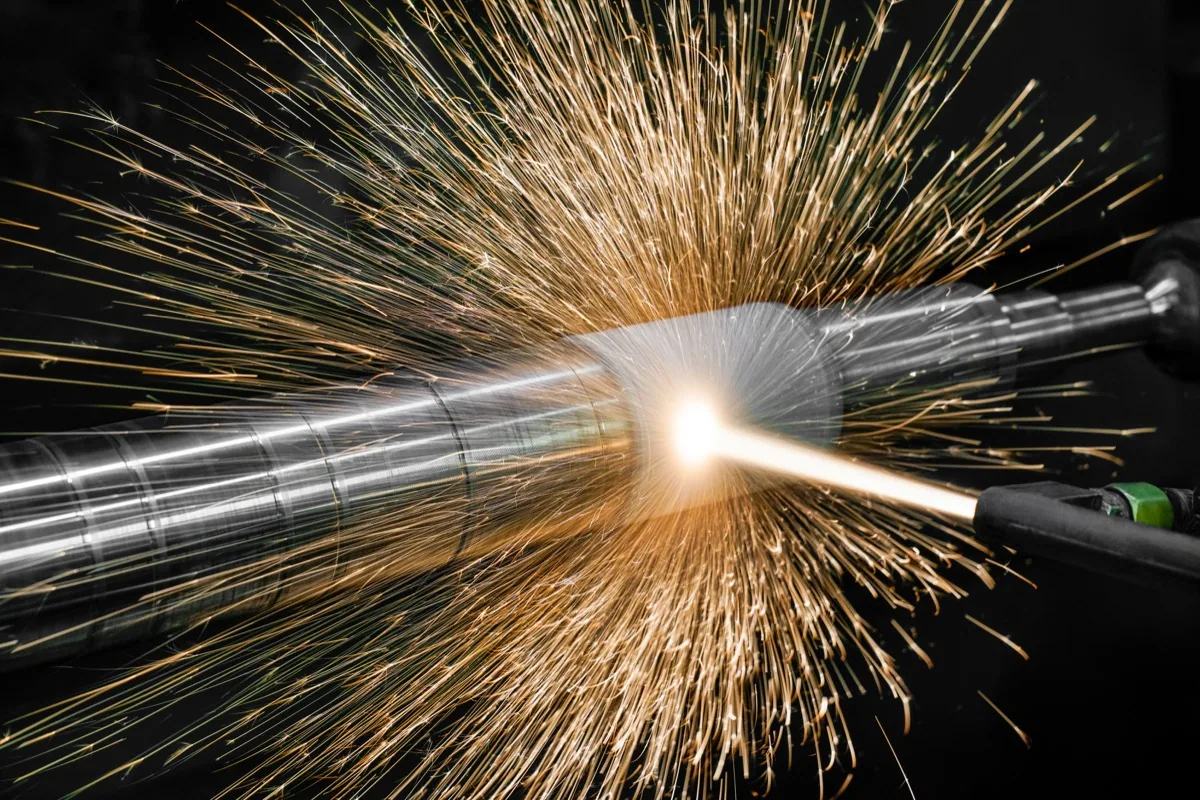
HVOF Coatings for Turbomachinery
Reliability and maintenance engineers in power generation, oil & gas, chemical processing, and marine service specify HVOF coatings for turbine and compressor components where clearance, vibration, and surface finish are critical. Common applications include:
- Turbine shafts and journal areas
- Compressor rotor journals and thrust collars
- Pump sleeves, shafts, and plungers
- Bearing and seal running surfaces
- Valve stems, seats, and trim components
- Hot-section components and steam path parts
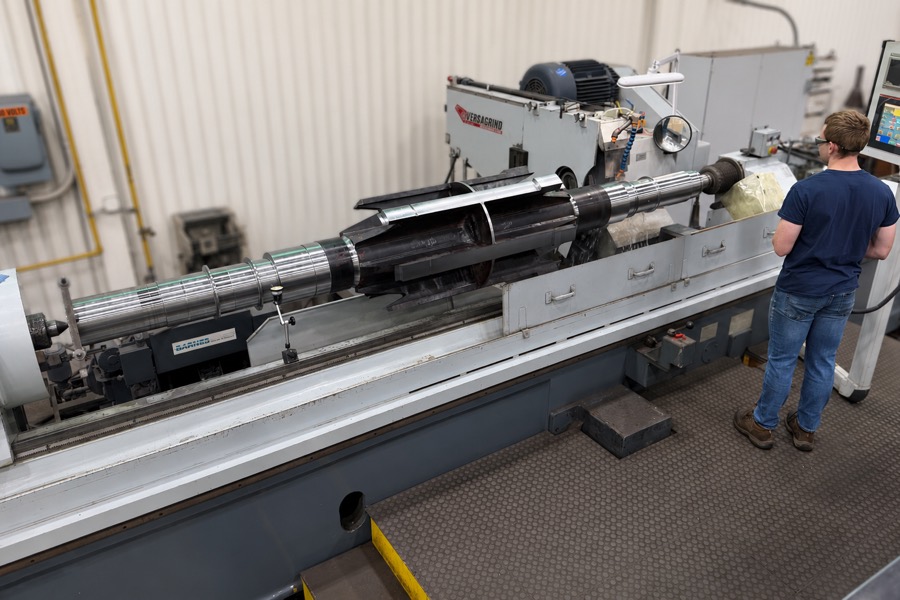
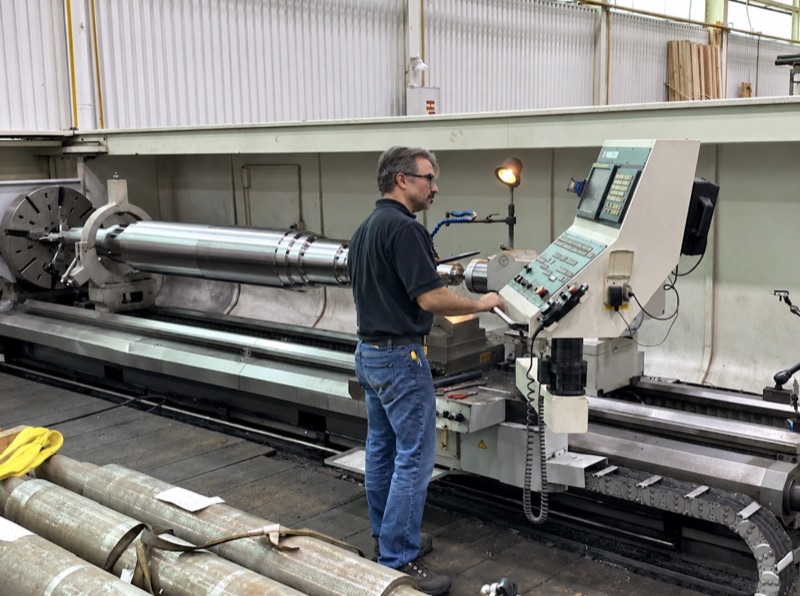
HFW pairs HVOF coating with in-house precision grinding, CNC machining, electrical and mechanical runout (EMRO) inspection, and dynamic balancing, so turbomachinery parts arrive ready to install. Our one-source rebuild workflow eliminates the coordination, shipping, and lead time of moving a part between multiple vendors.
In the Shop
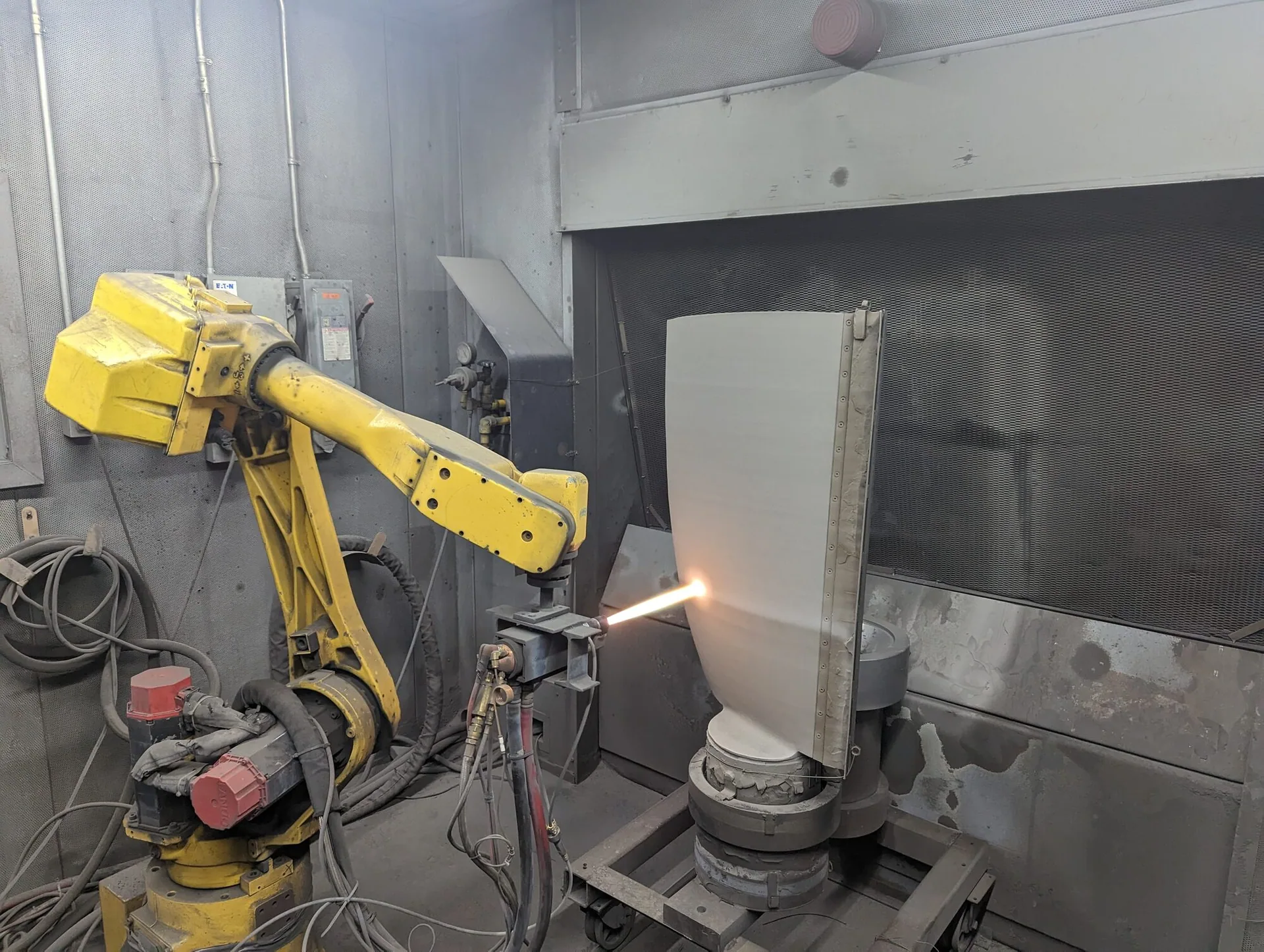
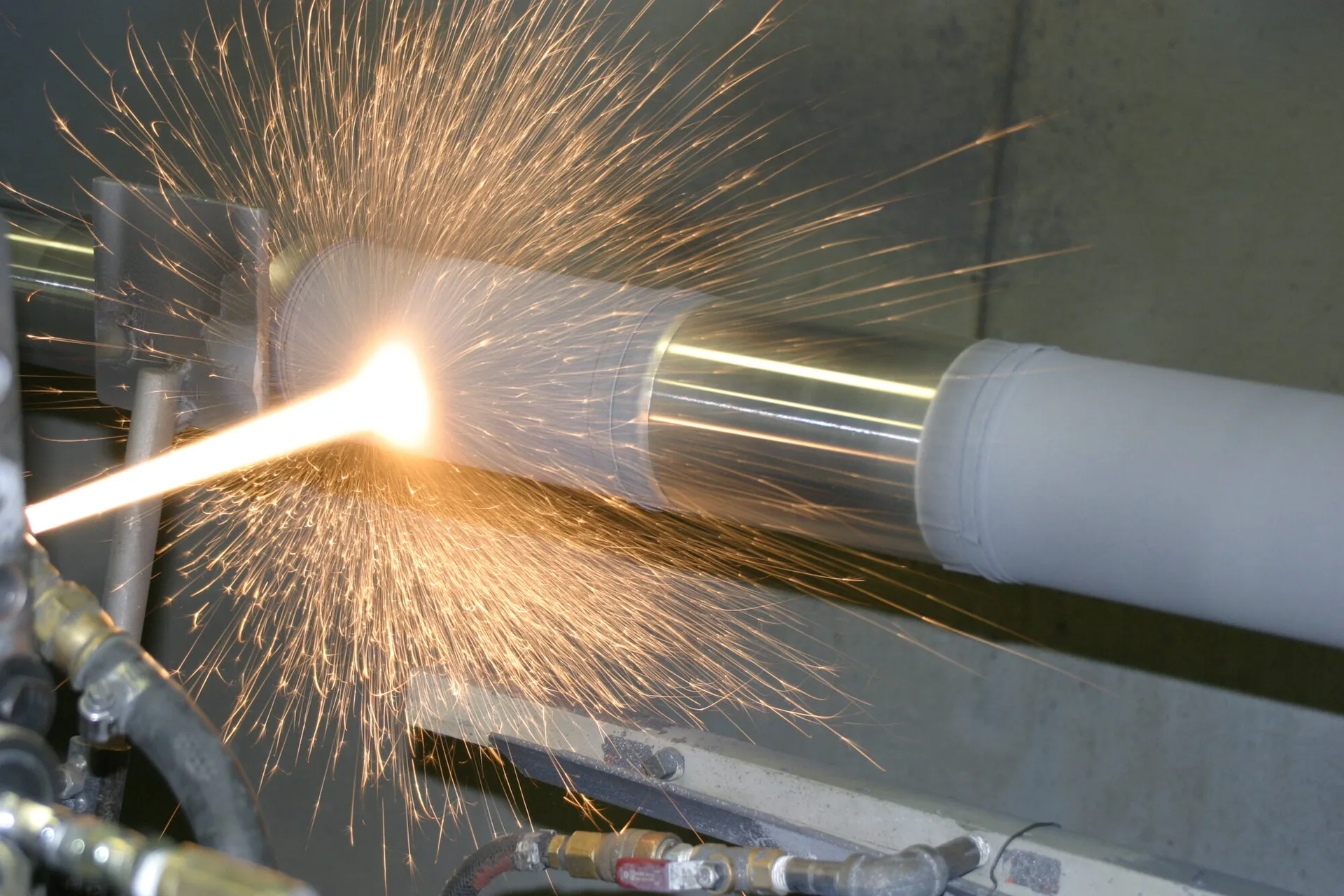
Thermal Spray Coatings for Power Gen
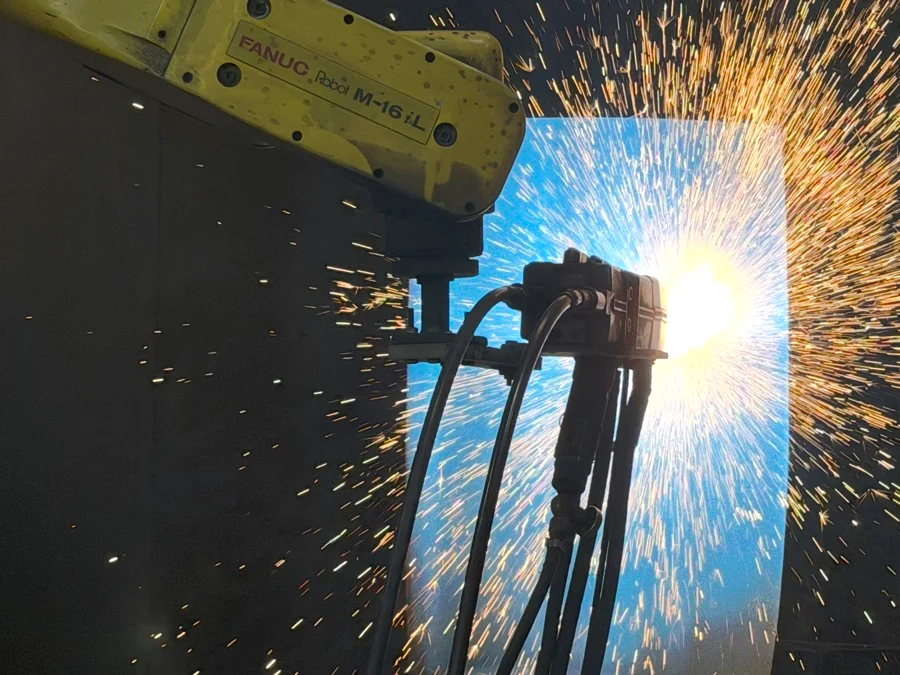
Thermal spray coating applications for power-generation turbine shafts and blades.
Industries We Serve
Thermal Spray Coatings Across Heavy Industry
From offshore platforms to gas turbines to chemical reactors, HFW's coatings protect critical equipment in some of the most demanding service environments in the world.
The HFW Advantage
Why Reliability Teams Choose HFW for Thermal Spray
One-Source Shop
Coating, precision grinding, CNC machining, EMRO inspection, and dynamic balancing in one facility.
Engineering Support
Our engineers help select the right process and material for your wear mode, service temperature, and finish requirements, not just quote what you ask for.
Emergency Turnaround
When unplanned downtime hits, HFW accelerates coating, finishing, and inspection to get critical components back in service as quickly as possible.
Quality System
Documented procedures, material traceability, and ISO 9001:2015 inspection protocols built over 75+ years of serving OEMs and reliability organizations from our Buffalo, New York facility.
Related Reading
Thermal Spray Articles & Case Studies
Explore technical articles and case studies from our knowledge base.
Thermal Spray Coatings Explained
A technical overview of thermal spraying, HVOF, coating materials, and how the process differs from hardfacing.
Technical DataHVOF Tungsten Carbide Coating Properties
Hardness, porosity, bond strength, finish, and application details for HVOF-applied tungsten carbide coatings.
Thermal SprayHVOF: A Superior Alternative to Chrome
Why HVOF coatings often outperform chrome in durability, cost, and turnaround time.
Supply PlanningTungsten Carbide Shortage 2026
Pricing, lead-time, and coating-alternative considerations for reliability teams planning outage work.
Case StudyHFW 512 Corrosion-Resistant Coating Case Study
How HFW 512 corrosion-resistant coating helped extend chemical processing roll life from months to years.
Frequently Asked Questions
Thermal Spray Coating FAQ
Answers reliability and maintenance engineers need when specifying thermal spray coatings and processes.
What is HVOF coating?
HVOF (High Velocity Oxy-Fuel) is a thermal spray process that propels powdered coating material at supersonic speeds using a high-pressure fuel flame. The high-velocity, low-heat impact produces coatings that are exceptionally dense and low in porosity, with bond strength and wear resistance that outperform older spray processes. Because HVOF operates below 300°F, base metal geometry is not affected, making it the preferred coating process for tight-tolerance components including turbine shafts, pump sleeves, compressor rotors, and valve stems. After coating, parts are precision-ground to final dimensions. HVOF is also the most widely specified alternative to hard chrome plating.
What is the difference between HVOF and hardfacing?
HVOF creates a mechanical bond between the coating and substrate at low temperatures, typically under 300°F, with no melting of the base metal. Hardfacing creates a metallurgical bond by welding material directly to the base at much higher temperatures, with controlled dilution into the base metal. HVOF is preferred when you need tight tolerances, fine finishes, and minimal distortion. Hardfacing is the better choice for heavy wear, high heat, and structural buildup requirements.
Can HVOF coatings replace hard chrome plating?
Yes, and in many applications HVOF is a superior replacement. A U.S. Department of Defense task force evaluating chrome alternatives found that several HVOF coatings outperformed hard chrome in fatigue, corrosion, and leakage testing, with some HVOF tungsten carbide coatings outlasting chrome by a factor of three. HFW has applied HVOF as a chrome replacement for many years, with tungsten carbide, chromium carbide, and nickel-based alloys being some alternatives. EPA regulations around hexavalent chromium have further accelerated the shift toward HVOF coatings.
What are the best HVOF coatings for turbomachinery?
For turbine shafts, compressor rotors, and pump sleeves, tungsten carbide/cobalt and Stellite #6 are two commonly specified HVOF coatings.
How long do thermal spray coatings last?
Coating life depends on the service environment, the coating material, and the base part. Thermal spray coatings routinely deliver multi-fold improvements in component service life compared to uncoated components. In one chemical processing roll application, standard thermal spray first improved life from two months to four to five months, then HFW 512 helped extend service life to five or six years. That result is backed by over 40 years of performance data.
What thermal spray coatings are used for oil and gas applications?
Oil and gas operators commonly specify HVOF tungsten carbide and chromium carbide coatings on downhole tools, valve components, pump sleeves, and compressor parts. These applications demand resistance to abrasion, erosion, and corrosive process media. For aggressive chemistries, nickel-based alloys such as Hastelloy or Inconel are often ideal.
How thick can a thermal spray coating be applied?
Most thermal spray coatings are applied in the range of 0.003 to 0.050 inches of finished thickness, though specific applications can require thinner or thicker layers. Internal stresses increase with coating thickness, so excessive buildup can lead to lifting, cracking, or reduced bond strength. HFW engineers each application with coating thickness, substrate stress, and finishing requirements in mind.
Attribution Statements
- Rokide® is a registered trademark of SAINT-GOBAIN CERAMICS & PLASTICS, INC.
- Stellite® and Tribaloy® are registered trademarks of KENNAMETAL INC.
- Hastelloy® is a registered trademark of HAYNES INTERNATIONAL, INC.
- Inconel® is a registered trademark of HUNTINGTON ALLOYS CORPORATION.
Ready to Discuss Your Project?
Whether you need new equipment, component rebuilds, or advanced surface coatings, HFW Industries delivers long-lasting, high-performance solutions.