HVOF Tungsten Carbide Coating: Properties, Applications, and Performance Data
July 1, 2026·By Jack Watson
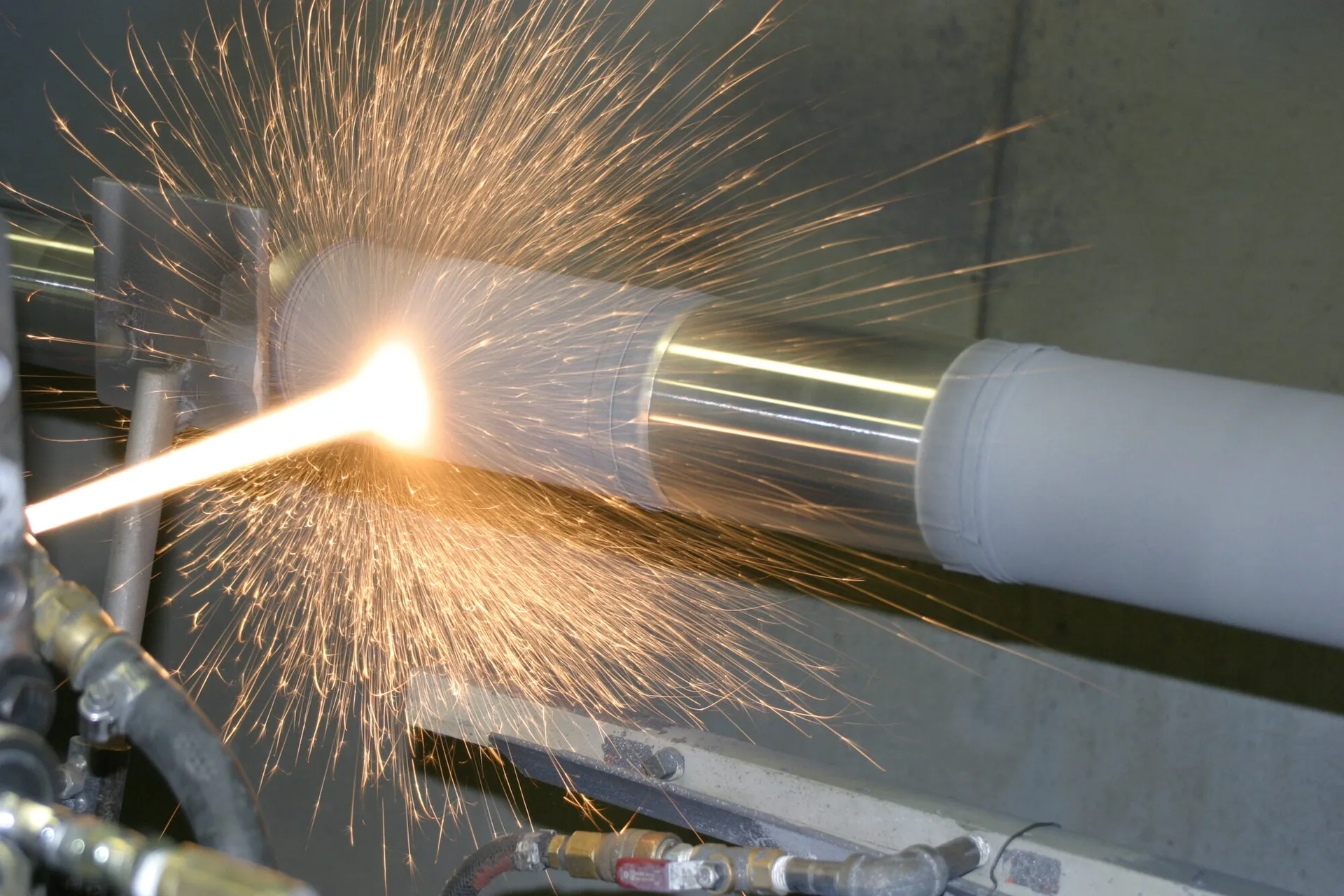
HVOF (High Velocity Oxy-Fuel) thermal spraying with tungsten carbide is one of the most widely used surface engineering processes for combating wear and erosion on industrial equipment. HFW Industries has been providing thermal spray coating solutions since 1950 and HVOF tungsten carbide coating services for more than 30 years.
This page covers the technical properties of HVOF tungsten carbide coatings, typical applications, and the process behind them, written for engineers who need to evaluate whether tungsten carbide coating is the right material for a specific application. For broader coating capabilities, see HFW's thermal spray service page.
How HVOF Thermal Spraying Works
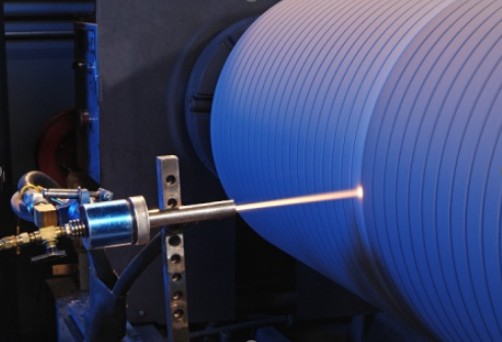
HVOF was developed in the 1980s as a commercially accessible alternative to Union Carbide's detonation gun (D-gun) process. It uses the internal combustion of fuel gases, such as propylene, propane, hydrogen, or kerosene with oxygen, to produce a supersonic gas stream. Coating powder is fed into this stream, heated, and propelled at supersonic velocities against the workpiece.
The result is an extremely dense, hard, homogeneous, low-porosity coating with strong mechanical adhesion to the substrate. Because the substrate temperature stays low (typically below 300°F), there is no distortion and no metallurgical change to the base material.
HVOF Tungsten Carbide Coating Performance Data
| Property | Value |
|---|---|
| Microhardness | 1,000-1,350 DPH (300g load) |
| Bond strength (ASTM C633) | 10,500+ PSI |
| Porosity | < 1% |
| Maximum service temperature | ~1,000°F |
| Surface roughness as sprayed | 150–250 Ra |
| Possible surface roughness as finished | 1–5 Ra |
When to Specify HVOF Tungsten Carbide: Temperature Limits and Use Cases
- Abrasion and sliding wear resistance when some corrosion protection is required
- Applications operating below 1,000°F (above this, chrome carbide is typically preferred)
- Where very fine surface finishes are required after grinding
- As a hard chrome replacement where environmental and regulatory concerns around hexavalent chromium (EHC) plating matter
Department of Defense testing found HVOF tungsten carbide cobalt coatings could outperform hard chrome in fatigue, corrosion, and leakage testing on aerospace components, with some coatings outlasting chrome by a factor of three.
Industrial Applications for HVOF Tungsten Carbide Coatings
- Piston and compressor rods
- Turbine shaft journal and seal diameters
- Shaft sleeves and seal contact surfaces
- Fan blades and impellers
- Mechanical seal faces
- Process rolls in paper, printing, and chemical industries
- Bearing journal surfaces
- Hard chrome replacement on shafts, rods, and cylinders
Grinding HVOF Tungsten Carbide Coatings to Final Tolerance and Surface Finish
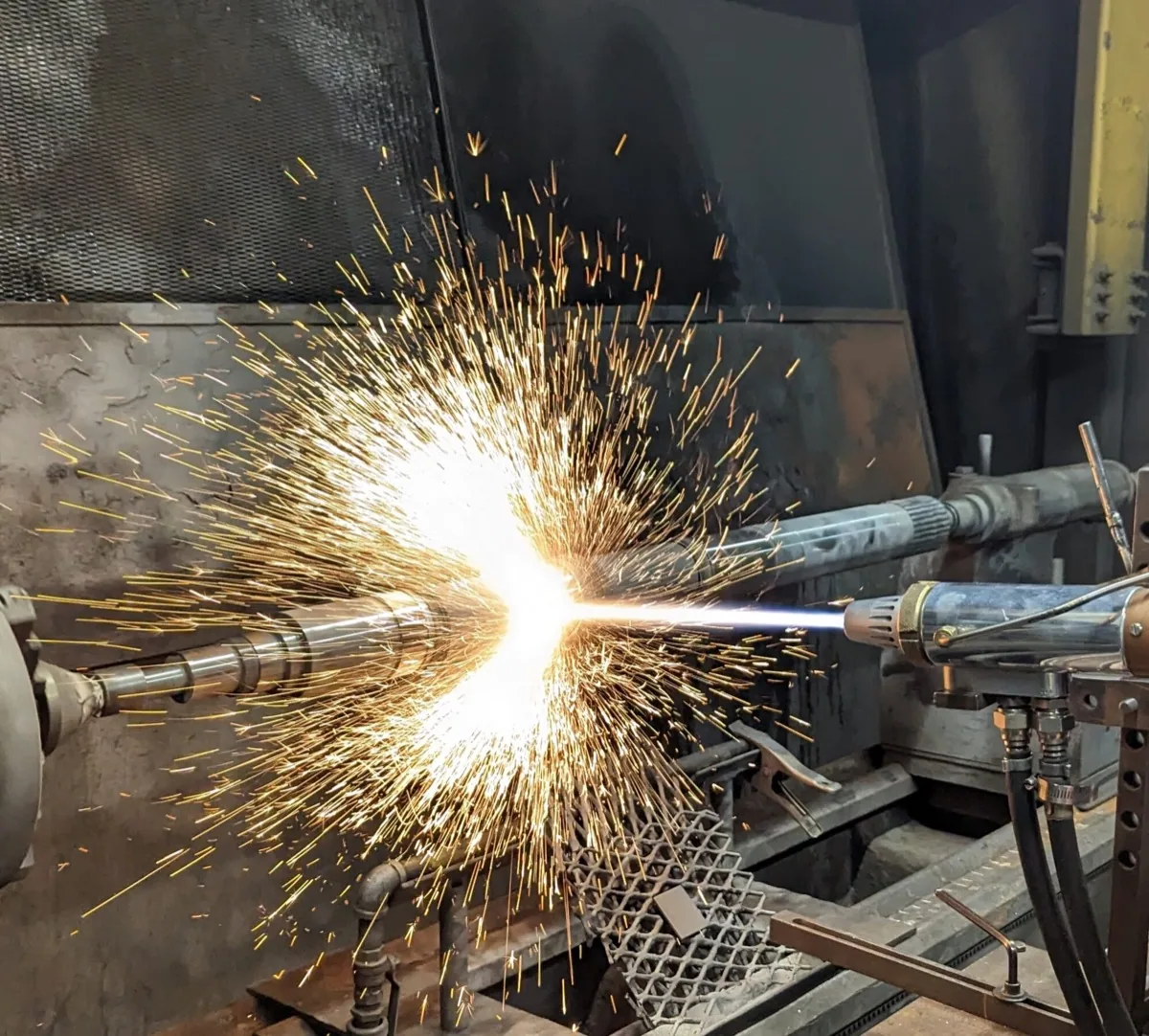
HVOF-coated surfaces can be precision ground to very tight tolerances and fine surface finishes. HFW can hold tolerances as tight as 0.0002″ where part geometry allows, with surface finishes of 1–5 Ra on HVOF-coated components after grinding.
Finishing quality is as critical as the coating itself. Improper grinding technique, including wrong wheel selection, excessive heat, or aggressive material removal rates, can damage the coating microstructure or reduce bond strength. HFW does not warrant coatings finished by others.
When Tungsten Carbide May Not Be the Right Fit
Tungsten carbide is a strong option for abrasion, erosion, and sliding wear, but it is not the right material for every application. HFW evaluates operating conditions, temperature range, corrosion exposure, impact, and primary failure mode before recommending a coating system.
- Higher-temperature wear: Chrome carbide nickel chrome may be evaluated when operating temperatures exceed the practical range for tungsten carbide.
- Corrosion-dominant service: Nickel-based alloys, ceramics, or other coating families may be a better fit when chemistry is the main failure driver.
- Heavy impact or major buildup: Hardfacing or another repair path may be more appropriate when the component needs significant profile restoration.
Contact HFW Industries for HVOF Thermal Spray Coating Services
Our engineering team will review your application, operating environment, and failure history to recommend the right coating material and process before quoting.
To discuss your application, email RFQ@hfwindustries.com. Submit a quote request with drawings, photos, operating conditions, and timing so HFW can review the application and next steps. You can also call (716) 875-3380.
About the Author
Jack Watson is HFW Industries' business development manager and a fourth-generation member of the family business. He works with customers and HFW's technical teams to develop manufacturing, coating, and rebuild solutions for critical industrial equipment.
Additional Technical Resources for Precision Manufacturing Professionals
- Thermal Spray Coating Services
HFW's commercial service page for HVOF, plasma, Rokide®, arc spray, and other thermal spray coating work.
- Thermal Spray Coatings Explained: HVOF and Tungsten Carbide
A comprehensive overview of HVOF and thermal spray coating processes, materials, and industrial applications.
- HVOF vs. Hard Chrome Plating
Performance, cost, and environmental comparison of HVOF thermal spray versus traditional hard chrome plating.
- Thermal Spray Coating Characteristics
Guide to porosity, bond strength, hardness, and other measurable characteristics of thermal spray coatings.
- HFW 512 Corrosion-Resistant Coating Case Study
How HFW 512 corrosion-resistant coating helped extend chemical processing roll life from months to years.
- Tungsten Carbide Shortage 2026
What reliability and maintenance teams should know about tungsten carbide supply, pricing, lead times, and coating alternatives.
- CNC Precision Grinding Services at HFW Industries
HFW's cylindrical OD grinding capabilities, tolerances, and component types from turbomachinery to chemical processing.
Frequently Asked Questions About Tungsten Carbide Coating
What is tungsten carbide coating used for?
Tungsten carbide coatings are used for abrasion and sliding wear resistance when some corrosion protection is required. They can be applied to industrial components such as piston rods, compressor rods, turbine shaft journals, shaft sleeves, seal surfaces, process rolls, and bearing journals.
What is HVOF tungsten carbide coating?
HVOF tungsten carbide coating is applied by feeding tungsten carbide powder into a high-velocity oxy-fuel stream, heating the particles, and propelling them against the prepared workpiece to create a dense, hard, low-porosity coating.
How are tungsten carbide coatings finished?
Tungsten carbide coatings are typically precision ground after spraying to meet the required diameter, tolerance, runout, and surface finish. HFW can achieve 1–5 Ra finishes after grinding where the application allows.
Attribution Statements
- Stellite® is a registered trademark of KENNAMETAL INC.
- Hastelloy® is a registered trademark of HAYNES INTERNATIONAL, INC.
- Inconel® is a registered trademark of HUNTINGTON ALLOYS CORPORATION.
Stay Informed
Subscribe to Our Newsletter
Get practical insights from HFW’s turnkey manufacturing and rebuild team to help you extend equipment life, reduce downtime, and simplify your next equipment project.


Unsubscribe anytime. Open signup directly.